The Importance of Socialization for Seniors in Marion, Iowa
As people get older, staying socially connected is just as important as looking after their physical health. After retirement, daily routines often change, which can sometimes lead to feelings of isolation or loneliness. Friends might move away, family visits may happen less often, and chances to connect with others can decrease. Without regular social interaction, seniors may notice small declines in their mental, emotional, and physical well-being.
For families in Marion, Iowa, it’s important to understand why social connection matters and how to support it when considering options for their loved ones. This helps ensure seniors enjoy a vibrant and fulfilling later life.
How Socialization Supports Mental & Emotional Health
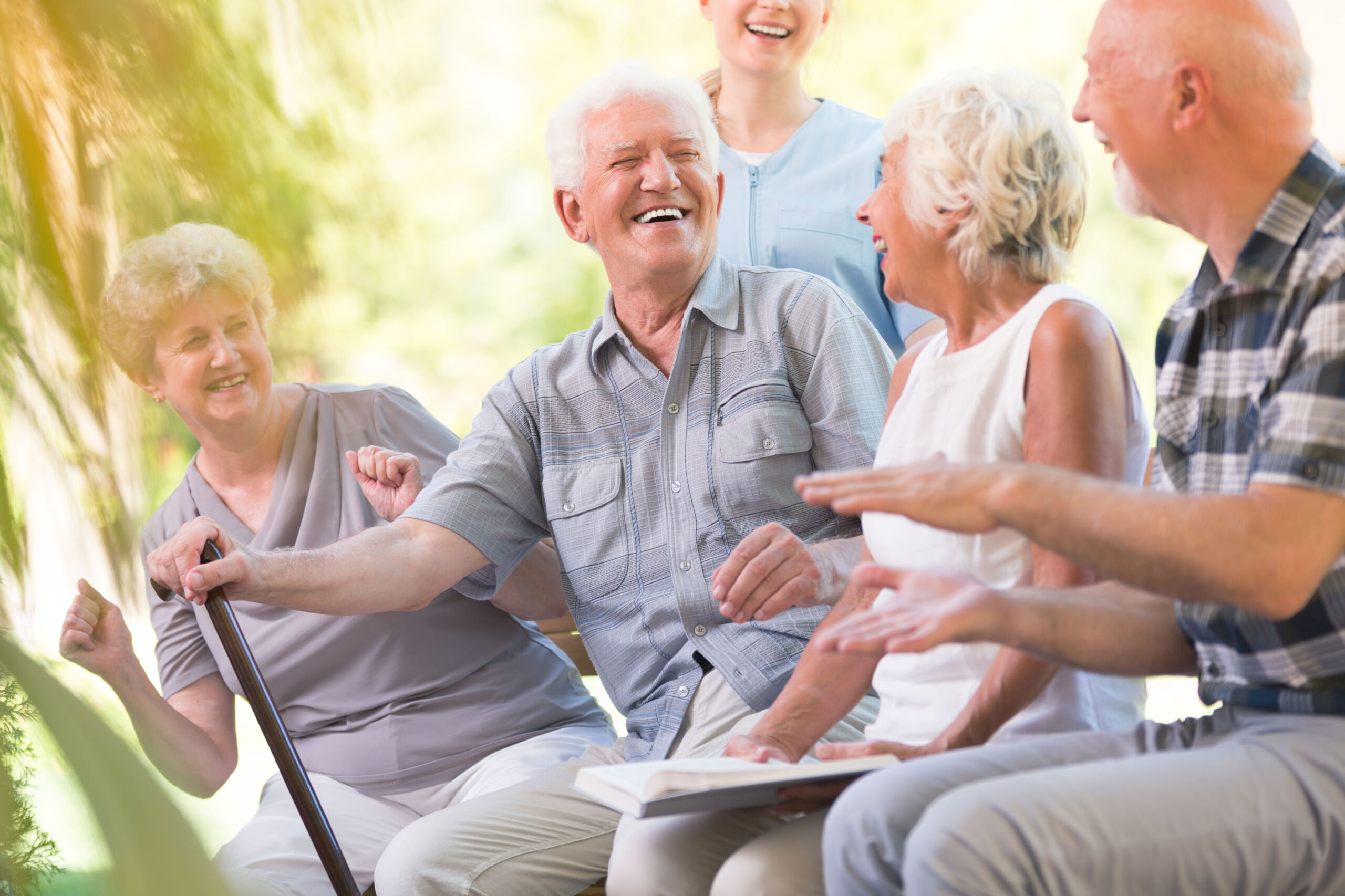
Regular social interaction is important for seniors’ mental and emotional health. Talking with others, joining group activities, or sharing experiences with friends can help seniors feel purposeful and happy. Staying socially active is linked to better moods, stronger emotional resilience, and improved memory. Seniors who keep in touch with others often feel more confident, less anxious, and less likely to feel depressed. Caregivers and family members can help by encouraging social opportunities through local clubs, classes, or senior living communities, making a real difference in seniors’ quality of life.
Physical Health Benefits of Staying Socially Active
Socializing helps more than just the mind; it also supports physical health. Joining group exercises, walking clubs, orcommunity events keeps seniors moving and helps them stay balanced and energetic. Sharing meals, joining hobby groups, or taking part in activities often encourages seniors to get out of the house and build a routine that combines social time with gentle exercise. By staying connected and active, seniors can maintain their independence and energy, showing that socializing is a key part of a healthy lifestyle.
The Risks of Isolation and Loneliness for Seniors
Isolation can happen slowly, and many seniors may not notice they feel lonely until it starts to affect their confidence, motivation, and independence. Living alone, losing a spouse, or having trouble with transportation can all make it harder to stay engaged. While some time alone can be nice, being isolated for too long can lead to less participation in daily activities and a lower quality of life. Spotting these risks early and finding supportive environments can help seniors keep their emotional health and independence.
How Senior Living Communities Support Social Connection
Senior living communities offer many ways for seniors to stay connected and engaged. In Marion, Iowa, places like Summit Pointe Senior Living provide group events, shared meals, hobby clubs, and fitness classes. Whether someone chooses independent living, assisted living, or memory care, these communities help seniors build friendships and stay active each day. They are designed to give residents choices and freedom while making social engagement a key part of daily life.
Supporting Seniors’ Social Needs: Take the Next Step
Thinking about your own social needs or those of a loved one is an important step in keeping independence, confidence, and well-being. Exploring options that support connection and involvement helps seniors enjoy a full life and build strong relationships. At Summit Pointe Senior Living in Marion, Iowa, we offer a friendly community with many activities, shared spaces, and chances to stay engaged. Families can learn more about independent living, amenities, and events to find the right fit.
Taking steps to support socialization helps seniors stay active, engaged, and connected to their community. Contact us today to learn more.
Image credit: // Shutterstock // Ground Picture